Vinetaro Drops Official Website › Blog › Vinetaro Drops Hawthorn Berry: 5 Checks Before You Assume It Is Inside
Vinetaro Drops Hawthorn Berry: 5 Checks Before You Assume It Is Inside
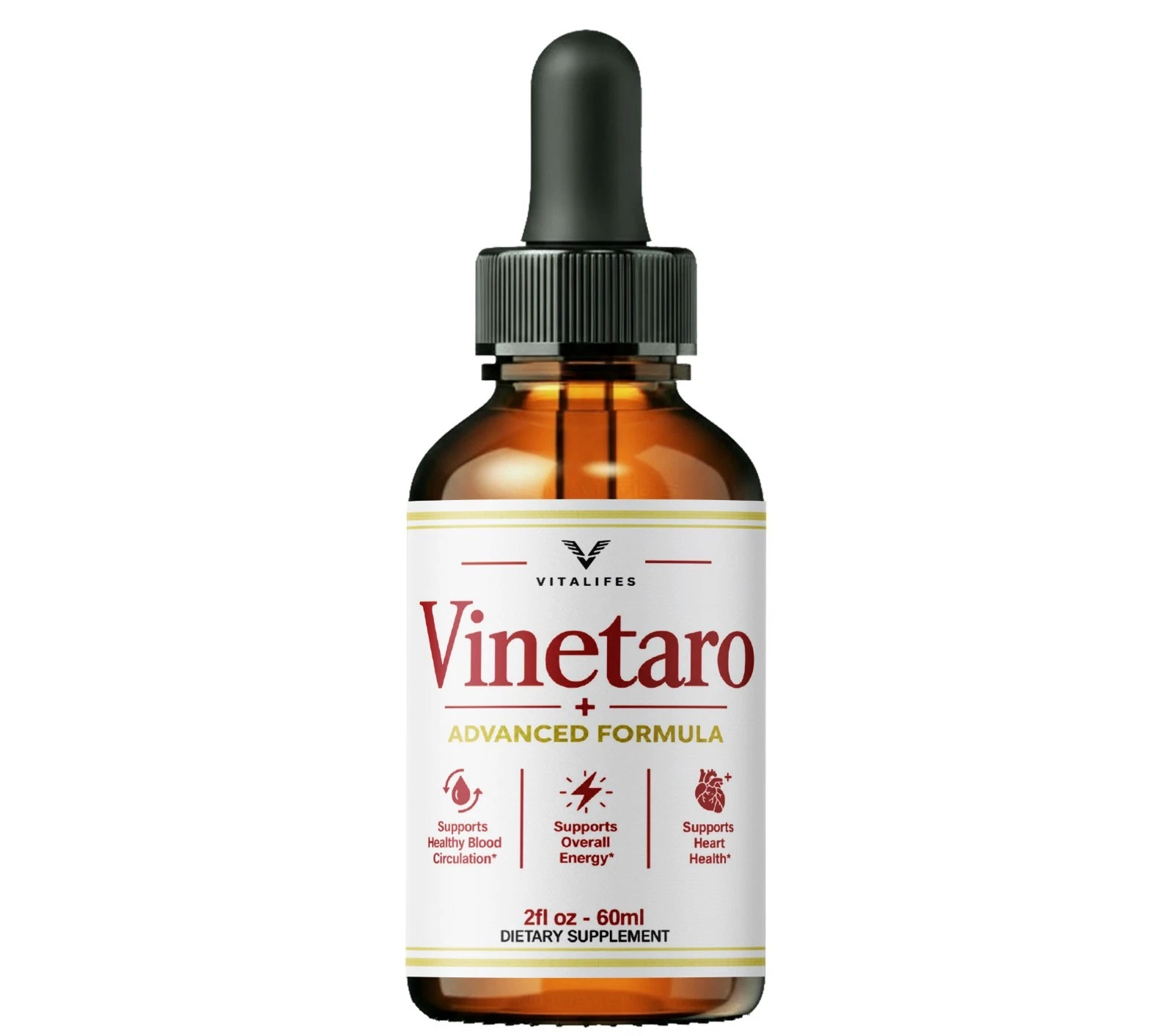
Vinetaro Drops does not name hawthorn berry. The bottle names no ingredient at all. The seller's photograph shows a small red berry that cannot be identified from the image, and hawthorn is only one possible match. Published hawthorn results used a named extract at stated amounts. Neither is published for this bottle.
Questions about the berry? Ask before you buy
The order desk can be asked which plants are in the bottle. The checkout shows the pack price and the return window.
See today's price and guaranteePrice and return window are shown at the seller’s checkout · This website earns a margin when you buy through it.
- Hawthorn is not named on the label, in the pack, or in any published ingredient line.
- The seller's red panel shows a small red berry that this site will not name from a photograph.
- The hawthorn trials on this site used WS 1442, a named extract: 900 mg a day in SPICE and 450 mg twice daily for six months in HERB CHF (120 ambulatory patients).
- Those trials were run in people with heart failure, as part of supervised care.
- The label's heart phrase is "Supports Heart Health". It is a structure and function phrase, not a treatment claim.
- No amount of any plant is printed on the bottle, so no trial result can be matched to it.
Why do people search for hawthorn berry with Vinetaro Drops?
The question has a simple origin. The label says "Supports Heart Health". Hawthorn is the plant with the best-known research record in heart failure. And the seller's photograph includes a glossy red berry. Put the three together and a reader may conclude hawthorn is in the bottle.
That is a chain of guesses, and every link can break. The phrase is general. The research is about one specific extract. The berry is a picture. This page walks through five checks so you can see where each link holds and where it does not.
Check 1: Does anything published name hawthorn?
No. The front of the bottle prints a maker logo, the product name, ADVANCED FORMULA, three support phrases, the volume and the statement of identity. None of those lines is an ingredient. The pack carries no Supplement Facts panel, no ingredient line, no serving size and no servings per container.
The product pages on this website do not name hawthorn as an ingredient either. They name it only when they discuss research. That is a deliberate rule: a plant is not listed unless the label lists it.
Check 2: Can the red berry in the photograph be identified?
Three or four glossy red berries sit at the lower right of the seller's panel. At that resolution, hawthorn, schisandra, rose hip and goji all look alike, and so do several ornamental fruits. Each match would point the story in a different direction.
If you name the berry yourself, you are choosing a result. A hawthorn answer sounds reassuring for the heart phrase. A rose hip or ornamental answer would sound very different, and the photograph supports each of them equally well.
The same is true for the green leafy herb and the dried yellow flowers in the same shot. Three of the six pictured items cannot be named at all.
Check 3: What did the hawthorn research product look like?
Look at how the strongest trials describe what they gave. They do not say "hawthorn". They say WS 1442, a standardised extract with a code, in a stated daily amount, for a stated time.
| What a hawthorn trial states | What this bottle states |
|---|---|
| Which plant part and extract (WS 1442) | Not published |
| Amount per day (900 mg in SPICE; 450 mg twice daily in HERB CHF) | Not published; two drops is a count of drops |
| Who took it (people with heart failure) | Adults 18 and over, healthy, as a general routine |
| How long (six months in HERB CHF) | Typical wait reported by buyers: 3 to 6 weeks |
| Who supervised it | No one; it is a self-directed supplement |
Trial details are from the research named on this site. None of the trials studied this product.
A code on an extract is an identifier. It tells you the plant part, the process and the maker are all fixed. A plant name on its own tells you none of that.
Check 4: Who were the people in the hawthorn studies?
SPICE enrolled patients whose hearts pumped at an ejection fraction of 35 per cent or below. HERB CHF followed 120 ambulatory people with chronic heart failure for six months. A Cochrane review pooled the earlier trials of hawthorn in heart failure, and a separate benefit-risk assessment looked at the same WS 1442 extract.
Notice the common thread. These were people with a diagnosis, in supervised care, on top of standard treatment. The result belongs to that group and that setting.
A healthy adult buying a wellness bottle is in a different position. And a person with a heart condition should keep to the prescribed regimen and ask the prescriber before adding anything. No supplement replaces that.
Check 5: Could two drops carry a trial-sized amount?
Nobody can say, and that is the whole point. Two drops from a standard glass dropper are about 0.1 ml of liquid. That tells you the volume. It says nothing about how many milligrams of any plant are in it, because the concentration is not published.
A trial amount of 900 mg a day is a measured weight of a defined extract. Two drops of an unlabelled liquid cannot be converted into that weight without the missing numbers. Anyone who claims they can is guessing.
Is hawthorn in the bottle? If yes, which part of the plant, in what extract, at what amount per two drops? And what is the carrier liquid? Ask the order desk on +1 (302) 200-3480 and keep the reply.
What should you do if hawthorn matters to you?
- If you want hawthorn on purpose, choose a product whose label names it, with the part, the extract and the amount.
- If you take medicine for the heart or blood pressure, show the bottle to your prescriber before you start.
- If you have chest discomfort, new breathlessness or swelling in one leg, get seen. Those need a cause found, not a supplement.
- If you are pregnant, nursing or under 18, do not use this product.
A heart-health phrase on a label is a general line. It is not a claim that this bottle contains the plant, or the extract, that the research used.
Frequently asked questions
Does Vinetaro Drops contain hawthorn berry?
Not published. The label names no ingredient. The seller's photograph shows a red berry that cannot be identified from the image, and hawthorn is only one possible match.
Why do people link Vinetaro Drops to hawthorn?
The label says Supports Heart Health, hawthorn has a known research record in heart failure, and the seller's photograph includes a red berry. That is a chain of guesses, not a declared ingredient.
What did the hawthorn studies actually use?
The trials on this site used the standardised extract WS 1442: 900 mg a day in SPICE and 450 mg twice daily for six months in HERB CHF. They studied people with heart failure, not this bottle.
Can two drops equal a hawthorn trial dose?
It cannot be worked out. Two drops are about 0.1 ml, but no concentration or plant amount is published, so no milligram figure can be calculated.
Is Vinetaro Drops a treatment for heart conditions?
No. Vinetaro Drops is a dietary supplement and not a drug. No supplement is FDA approved, and the label's FDA statement rules out any claim to treat, cure or prevent disease. Ask your doctor about heart symptoms.
How can I find out what is in the bottle?
Ask the order desk, in writing, for the ingredient list, the plant parts, the extract ratio and the carrier. Also ask for a certificate for lot VIN-26/TH-7868.
Which sources does this page lean on?
Each source below is named on this website. None of them studied Vinetaro Drops, and none is cited as proof about this bottle.
- The Cochrane review of hawthorn in heart failure. https://pubmed.ncbi.nlm.nih.gov/18254076/
- The SPICE trial. https://pubmed.ncbi.nlm.nih.gov/19019730/
- The HERB CHF trial. https://pubmed.ncbi.nlm.nih.gov/19789403/
- A benefit-risk assessment of WS 1442. https://pubmed.ncbi.nlm.nih.gov/29080984/
- A critical appraisal of herbal remedy evidence. https://pubmed.ncbi.nlm.nih.gov/26887532/
Our view
Our view: the hawthorn link is an assumption, and it should be treated as one. The bottle does not name the plant. The research is about a named extract in a named group of patients. A photograph of a berry bridges none of that.
If you are curious, ask the seller. If you are choosing a product because of hawthorn, pick a label that names it. And if heart health is the real worry, a doctor can measure and treat what a supplement cannot.
Vinetaro Drops is a dietary supplement. It is not FDA approved, and no supplement is. These statements have not been evaluated by the Food and Drug Administration. This product is not intended to diagnose, treat, cure or prevent any disease. This page is general information, not personal medical advice. Ask your own doctor or pharmacist about any symptom, and about any medicine you take, before you add a supplement.
Do not buy on a guess
If you want to know whether hawthorn is inside, ask the seller in writing first. The checkout screen has the live price and the money-back terms.
See today's price and guaranteePrice and return window are shown at the seller’s checkout · This website earns a margin when you buy through it.
Last updated