Vinetaro Drops Official Website › Blog › Is Vinetaro Drops Safe? 7 Checks on Side Effects and FDA Status
Is Vinetaro Drops Safe? 7 Checks on Side Effects and FDA Status
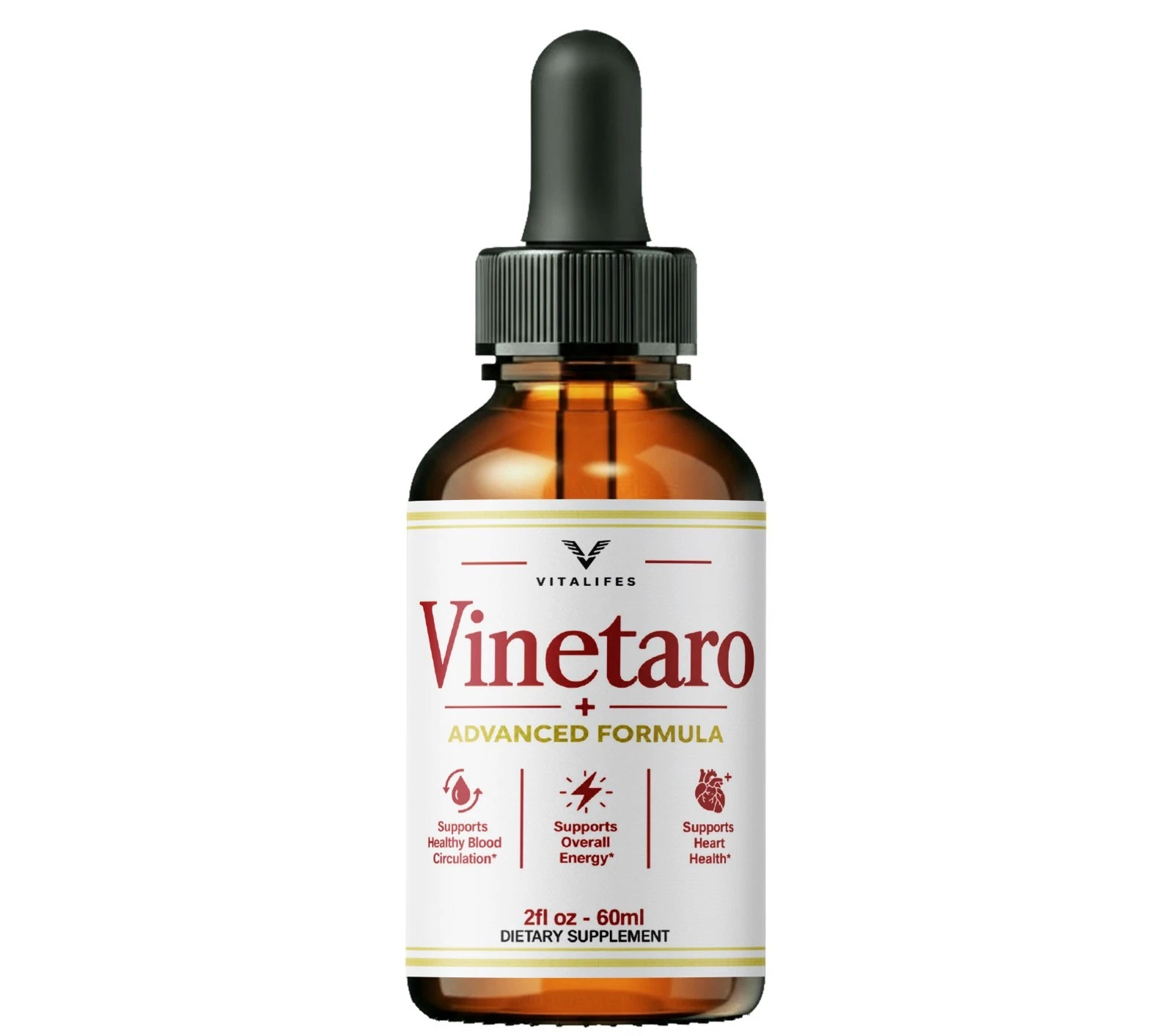
Vinetaro Drops is not FDA approved, and no dietary supplement is. No adverse reaction appears as a theme in the distributor's review summary, but that is a weak signal. The bigger safety point is that the bottle names no ingredient, so nobody can check it against a prescription. Ask a doctor first if you take medicine.
Safety questions first, order second
If your doctor or pharmacist is happy for you to try it, the checkout shows the price, the postage line and the return window.
See today's price and guaranteePrice and return window are shown at the seller’s checkout · This website earns a margin when you buy through it.
- Vinetaro Drops is a dietary supplement. It is not a drug, and it is not FDA approved.
- The distributor's summary of 1,144 written reports shows no adverse reaction theme. The low scores are about speed.
- The label names no ingredient, so a pharmacist has nothing to check against a prescription.
- Meant for healthy adults; leave it out if you are under 18, pregnant or nursing.
- Anyone on an anticoagulant or antiplatelet medicine should raise it with the prescriber before the first dose.
- Yellowing skin or eyes, dark urine, unusual bruising or bleeding, a spreading rash or swelling of the face or throat need urgent care.
Check 1: Is Vinetaro Drops FDA approved?
No. It is a dietary supplement, and no dietary supplement is FDA approved. Supplements are regulated as food, not as medicine, and they are not approved before sale.
The pack carries an FDA-registered facility roundel, and that can be confusing. Facility registration is an administrative filing: a plant tells the agency it exists and what it makes. That is neither a product approval nor the result of an inspection. The roundel also carries no registration number.
The three phrases on the label each carry an asterisk. It points to the statement that these claims have not been evaluated by the Food and Drug Administration, and that the product is not intended to diagnose, treat, cure or prevent any disease.
Check 2: What side effects do buyers report?
In the distributor's summary, none appears as a theme. The three-star and two-star entries are about speed: people expected a change in the first fortnight and did not see one. That is a letdown over timing, not a symptom.
| What buyers raise | In the supplied summary | What it is |
|---|---|---|
| Nothing happened in week one | The largest theme in the low scores | A timing expectation |
| Taste or aftertaste | Not raised | Common with herbal liquids in general |
| Stomach upset | Not raised | Usually eased by taking a dose after food |
| An allergic reaction | Not raised | Impossible to screen for on this bottle |
These are the distributor's own summary figures, not a safety database, and nothing has been reported to a regulator.
A quiet record is a weaker signal than it looks. People who feel unwell tend to stop the product and ask for their money back, and few write a report. Absence of complaint says a product is not causing something dramatic and common. It cannot speak for anything rare, slow, or tied to a particular prescription.
Check 3: Why is the missing ingredient list the main safety question?
A pharmacist checks a supplement against a prescription by reading its ingredients. This bottle prints none, so that check cannot be done by anyone. This is the most useful safety fact on the whole site.
- A pharmacist cannot cross-check it against repeat prescriptions.
- A person with a plant allergy cannot screen it.
- A hospital cannot record what you were taking beyond the product name.
- A person with a liver or kidney condition has nothing to give their consultant except the brand.
- If you react, nobody can say which component caused it.
The practical fix is cheap. Take the physical bottle to whoever manages your prescriptions, show the front label, and let them decide what they think of a product that names nothing.
Check 4: Who should not take it?
| Group | Why |
|---|---|
| Anyone under 18 | An adult supplement; nothing about it has been studied in children |
| Anyone pregnant or nursing | An unlisted botanical formula cannot be assessed for either |
| Anyone on an anticoagulant or antiplatelet medicine | Raise it with the prescriber first; Ginkgo leaves are in the seller's photograph |
| Anyone with a known plant allergy | The bottle cannot be screened against it |
| Anyone seeking treatment for a diagnosed heart or circulation condition | This is not a treatment and makes no such claim |
| Anyone who needs to know what they are swallowing | A fair requirement that this product does not meet |
Taken from the published safety notes. The bottle you receive outranks this page.
The front of the bottle prints no caution, no storage instruction and no age limit, so these precautions come from the product's nature, not from a printed warning.
Check 5: Which interactions would matter if the photograph reflects the contents?
The photograph is marketing, not a declaration. Nothing here says the bottle contains these plants. The list only names conversations worth having.
- Ginkgo leaves: a 2025 analysis of Ginkgo drug interactions looked at bleeding risk and coagulation profiles, and Ginkgo appears in reviews of warfarin interactions. It matters to anyone on warfarin, a direct oral anticoagulant, clopidogrel or regular aspirin.
- Cinnamon bark: a European risk assessment sets a tolerable daily intake of coumarin at 0.1 mg per kilogram of body weight, about 7 mg a day for a 70 kg adult. One case report describes acute hepatitis after a cinnamon supplement. One case is not a rate.
- Unnamed plants: a green leafy herb and dried yellow flowers cannot be assessed because they cannot be identified.
A 2026 review of drug-induced liver injury counts herbal and dietary supplement cases within the modern picture. That says nothing direct about this bottle. It is one reason an unnamed formula is the wrong purchase for a person with a liver condition.
Check 6: What about surgery, other supplements and medicines?
If you have an operation or a dental extraction booked, tell the team what you take. Most clinics ask you to stop supplements a week or two beforehand because they cannot check what is in them. Let them set the date.
Many adults take prescriptions and herbal products together, often without telling the prescriber. A short sentence at the next appointment costs nothing. Stacking several unlabelled products means the less anyone can say about any of them.
If you take warfarin and you start any new supplement, tell the clinic so that they can bring the next check forward.
Check 7: What should you do if you feel unwell?
Stop
A supplement has no withdrawal schedule. Two drops a day can be stopped the moment you want to stop.
Keep the bottle and the box
The physical bottle is the only artefact a clinician can look at. The front label and the lot on the base are what they will want to photograph.
Get seen if it is more than mild
Yellowing of the skin or eyes, dark urine, unusual bruising or bleeding, a spreading rash or swelling of the face or throat is urgent, not wait and see.
Write it down
The day you started, the day it began, what you felt and what else you take. Four lines on a phone note.
Handle the money separately
A refund is a separate conversation with the order desk on +1 (302) 200-3480, with the order ID in hand.
Frequently asked questions
Is Vinetaro Drops FDA approved?
No. It is a dietary supplement, and no dietary supplement is FDA approved. The FDA roundel on the pack refers to facility registration, which is an administrative filing and not an approval.
Is Vinetaro Drops safe?
No safety verdict can be given. No adverse reaction theme appears in the distributor's summary, but the bottle names no ingredient, so it cannot be checked against a prescription. Ask your doctor first.
Which side effects have buyers reported?
None is reported as a theme in the distributor's summary of 1,144 written reports. That is a weak signal, because buyers tend to stop taking things rather than report them.
Can I take Vinetaro Drops with other medicines?
It cannot be answered from the label, because no ingredients are listed. Show the bottle to your prescriber or pharmacist before the first dose.
Is Vinetaro Drops safe in pregnancy or while nursing?
The label says nothing about it, and this site excludes both. Treat the product as one for healthy adults only. Ask a midwife or doctor, and take the bottle.
What should I do if I feel unwell after taking it?
Stop, keep the bottle and box, and get seen if the symptom is more than mild. Yellowing skin, dark urine, unusual bruising, a spreading rash or facial swelling is urgent.
Which sources does this page lean on?
Each source below is named on this website. None of them studied Vinetaro Drops, and none is cited as proof about this bottle.
- A 2025 analysis of Ginkgo interactions. https://pubmed.ncbi.nlm.nih.gov/40198642/
- A systematic review of warfarin interactions. https://pubmed.ncbi.nlm.nih.gov/32478963/
- The coumarin risk assessment. https://pubmed.ncbi.nlm.nih.gov/20024932/
- A cinnamon supplement case report. https://pubmed.ncbi.nlm.nih.gov/25923145/
- A 2026 review of drug-induced liver injury. https://pubmed.ncbi.nlm.nih.gov/42475234/
- A review of supplement use alongside prescriptions. https://pubmed.ncbi.nlm.nih.gov/29196903/
- An analysis of FDA supplement warnings. https://pubmed.ncbi.nlm.nih.gov/30646238/
- A critical appraisal of herbal remedy evidence. https://pubmed.ncbi.nlm.nih.gov/26887532/
Our view
Our view: two drops of a liquid is a small exposure, and the review record shows no reaction theme. That is reassuring about common problems. It is silent about rare ones, and it cannot answer the main question for anyone on medicine: what is in it, and does it mix?
If you are healthy, take no prescription and are comfortable with an unnamed liquid, the risk looks modest but unmeasurable from the outside. If you take medicine, are pregnant or nursing, or have a liver, heart or circulation condition, speak to your doctor before the first dose. Do not rely on any website for that decision, including this one.
Vinetaro Drops is a dietary supplement. It is not FDA approved, and no supplement is. These statements have not been evaluated by the Food and Drug Administration. This product is not intended to diagnose, treat, cure or prevent any disease. This page is general information, not personal medical advice. Ask your own doctor or pharmacist about any symptom, and about any medicine you take, before you add a supplement.
Take the bottle to your appointment
If you decide to order, keep the bottle and box. The checkout has today's price and the money-back terms on screen.
See today's price and guaranteePrice and return window are shown at the seller’s checkout · This website earns a margin when you buy through it.
Last updated