Vinetaro Drops Official Website › Blog › Vinetaro Drops With Medications
Can you take Vinetaro Drops with medications? What to ask first
Vinetaro Drops with medications cannot be answered from the label, because the bottle names no ingredient and a pharmacist has nothing to cross-check. If you take a blood thinner, a blood-pressure or heart medicine, a diabetes medicine or a liver-checked drug, or have surgery booked, take the bottle to your prescriber before the first dose.
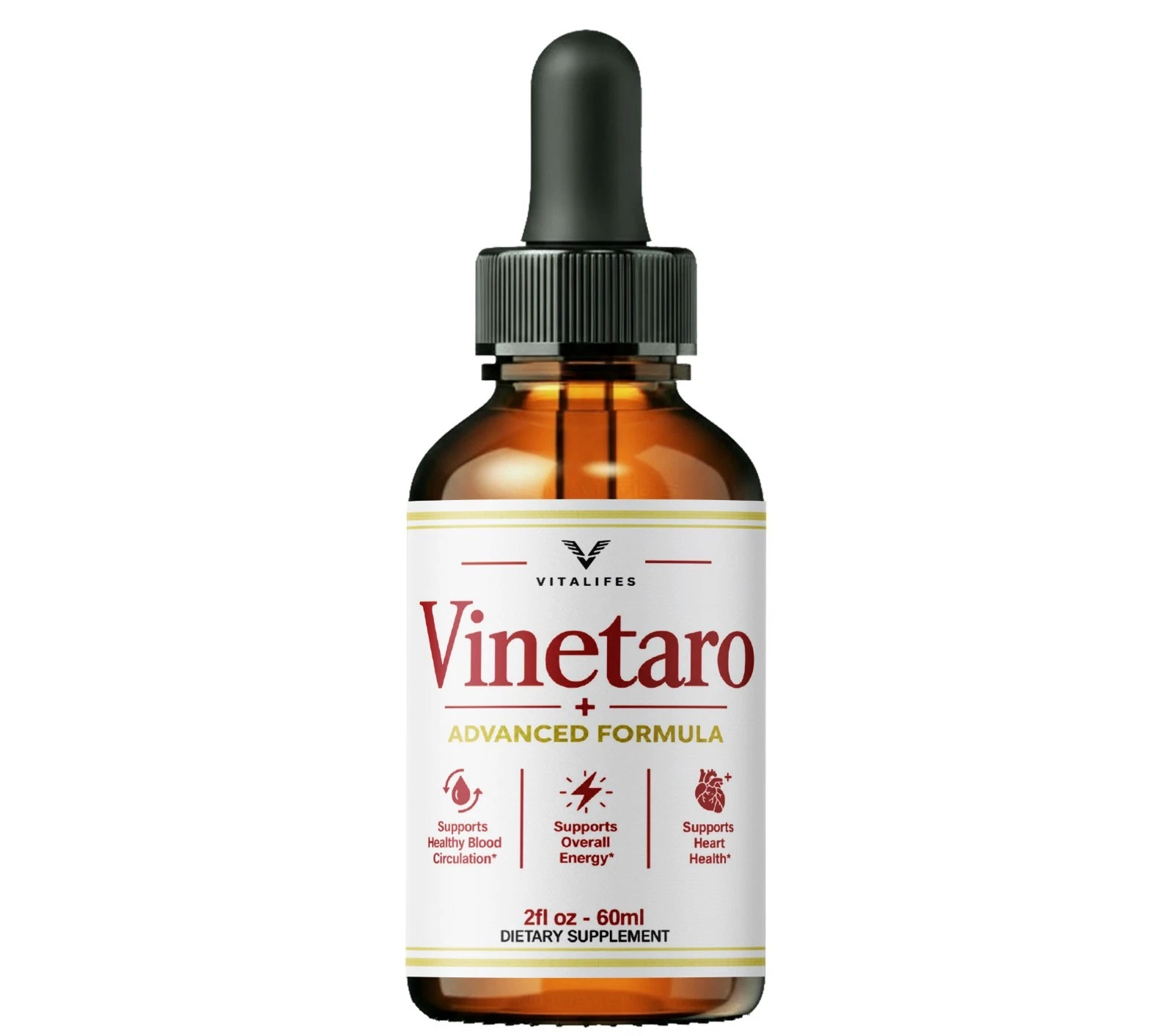
Prefer to order only after you have asked?
The checkout shows the price and the return window, and the bottle can go to your appointment when it arrives.
See today's price and guaranteePrice and return window are shown at the seller’s checkout · This website earns a margin when you buy through it.
- Pharmacists check a supplement against a prescription by reading its ingredient list. This bottle has none.
- Five situations call for a short conversation first: blood thinners, blood-pressure or heart medicines, diabetes medicines, liver conditions and booked surgery.
- The front of the bottle carries eight lines of type and none is a warning or an age limit.
- The direction is two drops daily after a meal. No upper limit is published.
- Not published: any ingredient, any amount or any interaction study on this product.
Why can nobody answer Vinetaro Drops with medications from the label?
Because the usual check does not exist. A pharmacist screens a supplement against your repeat prescriptions by reading its ingredient list and looking each name up. This bottle carries no ingredient line and no Supplement Facts panel, so there is nothing to look up. The question of Vinetaro Drops with medications therefore goes back to you and the person who manages your medicines.
That does not rule the product out. It changes what a sensible buyer does. If you take no prescription and have no diagnosis, an unnamed botanical liquid is a modest risk, like any unfamiliar herbal preparation. If you do take something, the thing you would normally check against is missing.
Which five situations need a conversation before Vinetaro Drops with medications?
| Situation | Why it matters |
|---|---|
| You take an anticoagulant or antiplatelet medicine (warfarin, apixaban, rivaroxaban, clopidogrel, or daily aspirin on medical advice) | The combination with the most published history. Ginkgo leaves appear in the seller's photograph, and ginkgo is linked with bleeding risk. |
| You are treated for blood pressure or heart failure | A product sold for heart health is not a substitute for standard treatment, and the hawthorn research the site cites sits in heart-failure populations already on standard treatment. |
| You are treated for diabetes | The bottle makes no blood-sugar claim, but a buyer on metformin, a sulfonylurea or insulin should say so before adding anything unlabelled. |
| You have a diagnosed liver condition, or take a medicine that needs liver checks | A 2026 review of drug-induced liver injury includes herbal and supplement cases. That is not a statement about this bottle. It is why an unnamed formula is the wrong choice here. |
| You have surgery or a dental extraction booked | Most clinics ask you to stop supplements a week or two ahead, because they cannot check what is in them. |
Each row is about the situation, not about a known fault in the bottle.
What should you bring and say when you ask?
One appointment or one phone call to a pharmacy settles most of what this page cannot. Bring the physical bottle, not a description of it. A clinician wants the front label, and the lot number on the packaging, which for this website is VIN-26/TH-7868.
- Show the front of the bottle and say that it names no ingredient.
- Say how you would take it: two drops, once a day, after a meal.
- Give your full medicine list, including aspirin, vitamins and herbal products.
- Ask whether anything on your list makes a botanical liquid with an unknown formula a poor idea.
- Ask whether to wait, and what to watch for if you start.
That is a two-minute conversation with a real answer at the end of it, and it beats any paragraph a website can write.
What about warfarin, the commonest quiet problem?
It is the combination that goes wrong most quietly. A systematic review of warfarin interactions with food, herbs and supplements catalogues how many ordinary items can move an INR reading, and the answer is more than most people expect. If you take warfarin and you start any new supplement, the sensible step is to tell the clinic and let them bring the next INR check forward.
Our post on ginkgo's bleeding-risk evidence looks at the one plant in the photograph with a published bleeding literature. The photograph is not an ingredient list. It is the reason to ask, not a reason to assume.
Who forgets to mention the supplement?
Almost everyone. A systematic review of older adults found that prescription drugs and herbal products are combined far more often than prescribers are told. Mostly nobody asks and nobody volunteers. Saying what you take costs one sentence at the next appointment, and it gives the person caring for you the full picture. A 2026 analysis of supplement use in US adults also shows how common the habit is, which is a reason to treat it as normal, not embarrassing.
What if you start and feel unwell?
Stop taking it. A supplement has no withdrawal schedule, and nothing needs tapering. Keep the bottle and the box, and write down the day you started, the day it began, what you felt and what else you take. Get seen if the symptom is more than mild. Yellowing of the skin or eyes, dark urine, unusual bruising or bleeding, a spreading rash or swelling of the face or throat is urgent.
The refund conversation is separate and happens with the order desk, with the order ID in front of you. For the wider safety picture, read our seven safety checks next.
The circulation supplement guide explains where a doctor comes first for this kind of product.
Which sources sit behind this page?
These named sources sit behind the way this page reads the product. None of them tested Vinetaro Drops.
- A systematic review of prescription drugs and herbal products used together in older adults https://pubmed.ncbi.nlm.nih.gov/29196903/
- A systematic review of warfarin and food, herbal or supplement interactions https://pubmed.ncbi.nlm.nih.gov/32478963/
- A 2026 review of drug-induced liver injury https://pubmed.ncbi.nlm.nih.gov/42475234/
- A critical appraisal of herbal remedy evidence and interactions https://pubmed.ncbi.nlm.nih.gov/26887532/
Frequently asked questions
Can I take Vinetaro Drops with prescription medicine?
Nobody can answer that from the label, because it names no ingredient. Take the physical bottle to whoever manages your prescriptions and let them look at it.
Does Vinetaro Drops thin the blood?
The bottle makes no such claim. Ginkgo leaves appear in the seller's photograph, and ginkgo has a published bleeding-interaction literature, so anyone on an anticoagulant should ask first.
Can I take it with blood pressure medicine?
Ask the person who manages it. A product sold for heart health is not a substitute for standard treatment, and the label cannot be checked against your tablets.
Can I take it with diabetes medicine?
The bottle makes no blood-sugar claim, but tell your clinic before adding any unlabelled product.
Should I stop before surgery?
Tell the surgical team what you take and follow their instruction. Most clinics ask you to stop supplements a week or two ahead.
What if I take several supplements?
You can, but the more unlabelled products you stack, the less anyone can say about any of them. Start this one on its own.
Our view
Vinetaro Drops with medications is a question the label makes impossible to settle, and the honest answer is to hand the bottle to someone who can read your list. The risk may not be large. It is unmeasurable from outside, and it falls on the buyer.
If you take medicines, treat the missing ingredient list as the most important fact about the product. If you take none, the picture is simpler, but the questions above still apply.
Vinetaro Drops is a dietary supplement. It is not FDA approved, and no supplement is. These statements have not been evaluated by the Food and Drug Administration. This product is not intended to diagnose, treat, cure or prevent any disease. This page is general information, not personal medical advice. Ask your own doctor or pharmacist about any symptom, and about any medicine you take, before you add a supplement.
Order once you have checked it against what you already take
The checkout shows the price and the return window. Keep the bottle and the order email together.
See today's price and guaranteePrice and return window are shown at the seller’s checkout · This website earns a margin when you buy through it.
Last updated