Vinetaro Drops Official Website › Blog › Horse Chestnut At 100 Mg Of Aescin
Horse Chestnut At 100 Milligrams Of Aescin
Horse chestnut seed extract, standardised to its active compound aescin, is the one botanical in this category that has been tested against a physical treatment rather than only against a sugar pill. A 1996 Lancet trial put 100 mg of aescin a day, as HCSE, beside a class II compression stocking in 240 patients with diagnosed chronic venous insufficiency. Neither this bottle nor most others on a shelf state whether horse chestnut is inside them, but the trial is worth reading on its own terms, because it changes the question a shopper should be asking from “does this work?” to “work as well as what?”
- The 1996 Diehm trial in The Lancet compared 50 mg of aescin twice daily (100 mg/day) against a class II compression stocking and against placebo, in 240 patients with chronic venous insufficiency.
- Both active treatments beat placebo on lower-leg oedema. Compression and HCSE were statistically equivalent to each other, though the trial could not formally prove compression superior in every test it ran.
- A separate 2001 study found HCSE worked in early-stage disease (Grade I) but not reliably in more advanced Grade II and IIIa disease, where compression stayed ahead.
- The extract used across this literature is standardised to a stated aescin percentage. A label that says only “horse chestnut” without an extract ratio has told a reader less than half of what the trials specified.
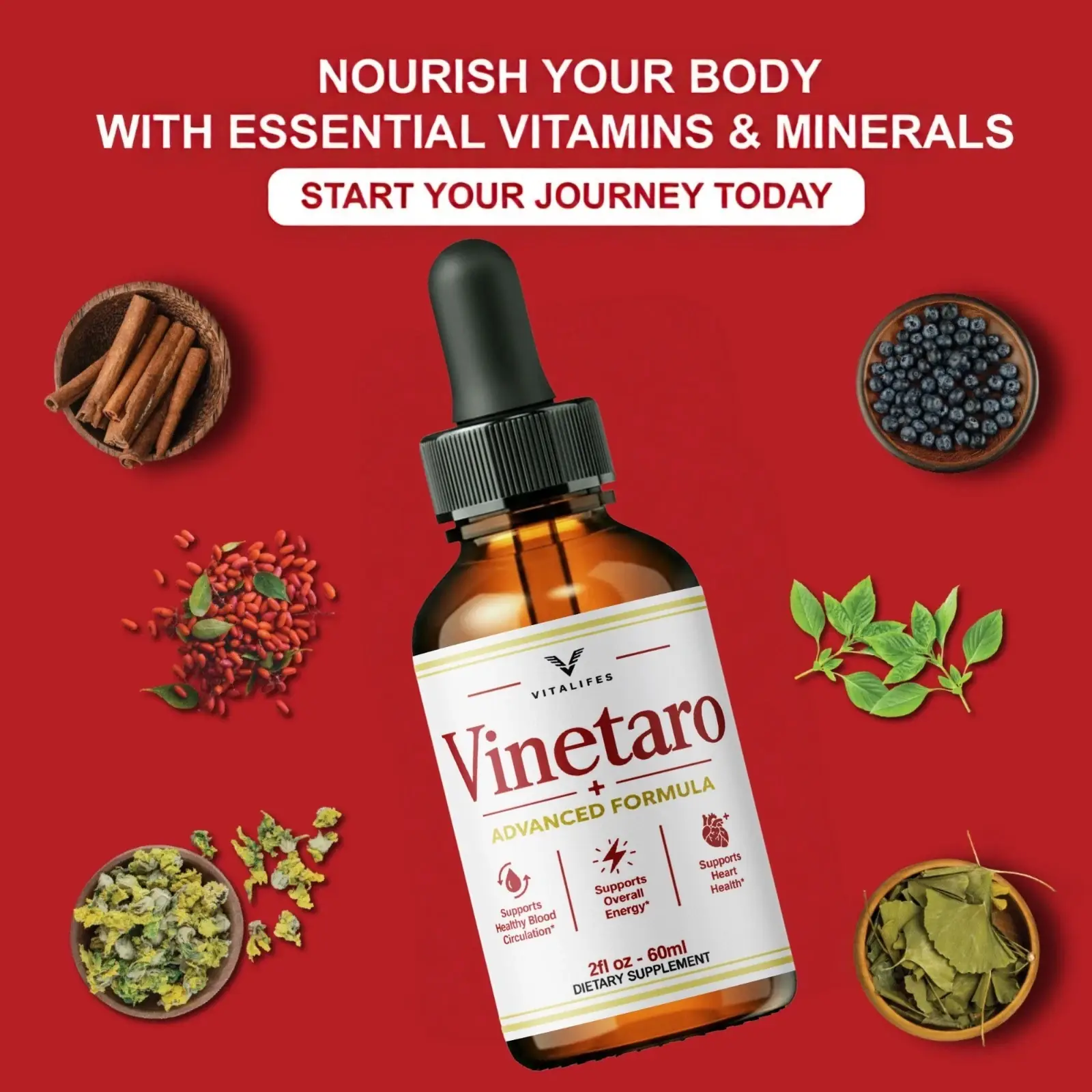
- None of this is a claim about what any Vinetaro Drops bottle contains. The label on this product names no ingredient at all.
The 1996 Lancet trial: a pill against a stocking
The Diehm trial is unusual in this whole category of research because its comparator was not a placebo capsule alone. It ran a three-arm design: a class II compression stocking, dried horse chestnut seed extract at 50 mg of aescin twice daily (100 mg total), and placebo, across 240 patients with chronic venous insufficiency, over 12 weeks.
Lower-leg volume in the more severely affected limb fell by an average of 43.8 mL with HCSE and 46.7 mL with compression, while it rose by 9.8 mL under placebo. Both active arms beat placebo (p = 0.005 for HCSE, p = 0.002 for compression), and the trial's own equivalence test found the two active treatments statistically equivalent to one another. The authors were careful to note their statistical design could not, in the same test, formally certify compression as the proven standard — a technical point, but one worth keeping rather than smoothing over.
What makes the trial worth citing here is not that a supplement beat a placebo, which several botanicals manage. It is that a defined oral dose was set against a mechanical treatment doctors already prescribe, in a diagnosed population, and came out statistically indistinguishable on the main oedema measure.
Why the 2001 follow-up split by disease stage
A 2001 report revisited the same comparison across two studies, one in early disease (Grade I) and one in more advanced disease (Grade II and IIIa). In early CVI, HCSE and compression were again equivalent, both ahead of placebo. In advanced disease, compression stayed ahead of placebo; HCSE did not reliably separate from it.
The authors proposed a mechanism to go with the staging result: in vitro work suggested HCSE could close gaps between cells lining small veins, the kind of gap that lets fluid leak out and swelling begin. That mechanism, if it is the right one, would plausibly matter most before the vein wall has progressed to more advanced structural damage — which is roughly what the clinical staging result shows.
A trial result described only as “horse chestnut helps chronic venous insufficiency” hides a detail that changes what the result means for a given person: it worked in early disease and not reliably in advanced disease. A supplement aisle rarely asks which stage a shopper is in before selling to them.
Aescin, the compound the extract is standardised to
A pharmacology review of aescin lays out what the compound is: a mixture of triterpene saponins extracted from the seed of Aesculus hippocastanum, with anti-inflammatory and vein-toning properties studied separately from the whole-plant extract. Every trial in this section used a preparation standardised to a stated aescin content, not an unstandardised horse chestnut powder.
That distinction is the same one this site raises for hawthorn and grape seed: a plant name and a preparation are different pieces of information, and a trial result belongs to the preparation. A capsule labelled only “horse chestnut seed, 300 mg” with no aescin percentage stated has given a reader the first piece and withheld the second.
Why raw seed is not the same product
Raw horse chestnut seed also contains esculin, a compound considered unsafe in unprocessed form. Commercial HCSE is processed specifically to reduce esculin while retaining aescin, which is part of why the extract ratio and standardisation matter beyond dosing accuracy — they are also a safety-relevant manufacturing step, not just a potency figure.
Safety across the pooled placebo-controlled trials in the 1998 systematic review was described as mild and infrequent, most often gastrointestinal discomfort, dizziness, nausea, or itching. That does not make the compound risk-free for everyone: a preparation that measurably affects vein wall tone and fluid movement is a reasonable thing to mention to a prescriber before combining it with other drugs that affect clotting or circulation, the same category of caution this site raises for ginkgo and warfarin elsewhere on the blog. A trial reporting mild, infrequent side effects in a supervised study is not the same statement as a guarantee of safety for an unsupervised purchase.
What the earlier systematic review already found
A 1998 criteria-based systematic review in the Archives of Dermatology, run before the Diehm trial above was folded into the wider literature, pooled the placebo-controlled studies available at the time. It reported HCSE reduced lower-leg volume and leg circumference, eased pain, itching, and a sense of tenseness, and performed comparably to reference medications such as O-(beta-hydroxyethyl)-rutosides in head-to-head trials. Adverse effects were described as mild and infrequent across the pooled studies.
| Study | What it gave | Compared against | Population |
|---|---|---|---|
| Diehm et al., 1996 (Lancet) | 50 mg aescin twice daily (100 mg/day) | Class II compression stocking, and placebo | 240 patients, diagnosed CVI |
| Ottillinger & Greeske, 2001 | Same HCSE dose, across two disease-stage cohorts | Compression, and placebo | Early (Grade I) and advanced (Grade II–IIIa) CVI |
| Pittler & Ernst, 1998 systematic review | Pooled across placebo-controlled trials to Dec 1996 | Placebo, and reference medications | Diagnosed CVI across the pooled studies |
Three sources, one consistent dose family: aescin-standardised extract, roughly 100–150 mg of aescin a day, always in a population with a diagnosis already in hand.
Read what a result cost before deciding about Vinetaro Drops
Every research figure on this site carries the amount its trial used, so the distance between a published result and any bottle is visible rather than implied.
Price shown at the seller’s checkout · money-back satisfaction seal on the pack
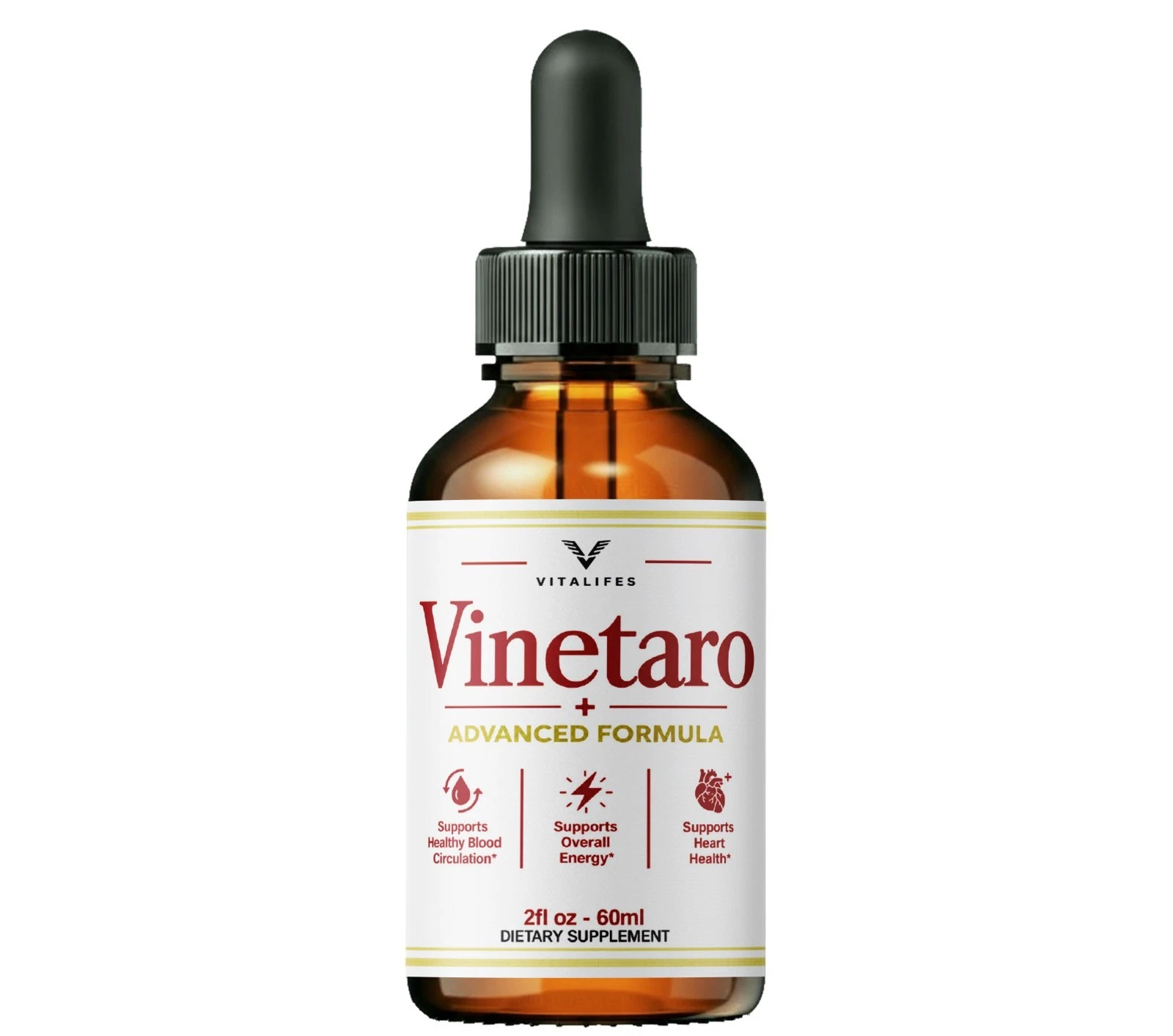
Order Vinetaro Drops On The Official WebsiteTwo drops daily after a meal · 2 fl oz / 60 ml · lot VIN-26/TH-7868
A 2013 beta-aescin trial, and a 2024 review of the field
The horse chestnut literature did not stop in the 1990s. A 2013 study examined a beta-aescin extract from Chinese buckeye seed, a related species, in chronic venous insufficiency, extending the aescin question beyond the single European species most trials used. A 2019 pharmacological review summarised escin's anti-oedematous, anti-inflammatory and venotonic properties across the accumulated animal and human evidence, and a 2024 update on herbal drugs in chronic venous disease placed horse chestnut alongside newer options in the same treatment category, rather than as an isolated curiosity.
That continuity matters for a different reason than the original trials: it means the aescin dose family established in the 1990s has held up as a reference point across three decades of follow-on research, rather than being quietly abandoned or radically revised.
What transfers to a shelf bottle, and what does not
Apply the same five-field reading this site uses everywhere in this category.
| The field | What the horse chestnut work supplies | What a shelf product usually supplies |
|---|---|---|
| The plant | Aesculus hippocastanum, named to species | Sometimes named, sometimes just “horse chestnut” |
| The preparation | HCSE standardised to a stated aescin percentage | Frequently unstated |
| The amount | 100 mg of aescin a day (50 mg twice daily) | Often absent, or folded into a proprietary blend |
| The duration | 12 weeks in the Lancet trial | Rarely stated |
| The population | Diagnosed chronic venous insufficiency, staged by severity | Anyone who buys the bottle |
This bottle supplies none of the five for horse chestnut, because it does not name the ingredient. The table exists so a reader comparing this category can see what a complete claim would need to contain.
Five fields, applied to a plant most labels just name
Horse chestnut is one of the few botanicals in the circulation category tested against a real alternative treatment rather than only a placebo, which makes the equivalence result more informative than a typical supplement trial. It is also one of the clearer examples of why staging and preparation both belong in the fine print: the same extract that matched a compression stocking in early disease did not reliably clear that bar in advanced disease, and a raw, unstandardised seed is a different and less-studied thing than the extract every trial above actually used.
None of this is a statement about Vinetaro Drops specifically. Its label carries no ingredient list, so there is nothing on it to check this evidence against. What the evidence gives a reader is the shape a real horse chestnut claim would have to take before it was checkable at all.
References
- Diehm C, Trampisch HJ, Lange S, Schmidt C. Comparison of leg compression stocking and oral horse-chestnut seed extract therapy in patients with chronic venous insufficiency. Lancet. 1996;347(8997):292-4. PMID 8569363. https://pubmed.ncbi.nlm.nih.gov/8569363/
- Ottillinger B, Greeske K. Rational therapy of chronic venous insufficiency--chances and limits of the therapeutic use of horse-chestnut seeds extract. BMC Cardiovasc Disord. 2001;1:5. PMID 11747472. https://pubmed.ncbi.nlm.nih.gov/11747472/
- Pittler MH, Ernst E. Horse-chestnut seed extract for chronic venous insufficiency. A criteria-based systematic review. Arch Dermatol. 1998;134(11):1356-60. PMID 9828868. https://pubmed.ncbi.nlm.nih.gov/9828868/
- Sirtori CR. Aescin: pharmacology, pharmacokinetics and therapeutic profile. Pharmacol Res. 2001;44(3):183-93. PMID 11529685. https://pubmed.ncbi.nlm.nih.gov/11529685/
- Yu Z, Su P. Effect of beta-aescin extract from Chinese buckeye seed on chronic venous insufficiency. Pharmazie. 2013;68(6):428-30. PMID 23875249. https://pubmed.ncbi.nlm.nih.gov/23875249/
- Gallelli L. Escin: a review of its anti-edematous, anti-inflammatory, and venotonic properties. Drug Des Devel Ther. 2019;13:3425-3437. PMID 31631970. https://pubmed.ncbi.nlm.nih.gov/31631970/
- Bencsik T, Balázs VL, et al. Herbal drugs in chronic venous disease treatment: An update. Fitoterapia. 2024;179:106256. PMID 39419127. https://pubmed.ncbi.nlm.nih.gov/39419127/