Vinetaro Drops Official Website › Blog › Vinetaro Drops Interactions
Which Vinetaro Drops interactions are worth knowing about?
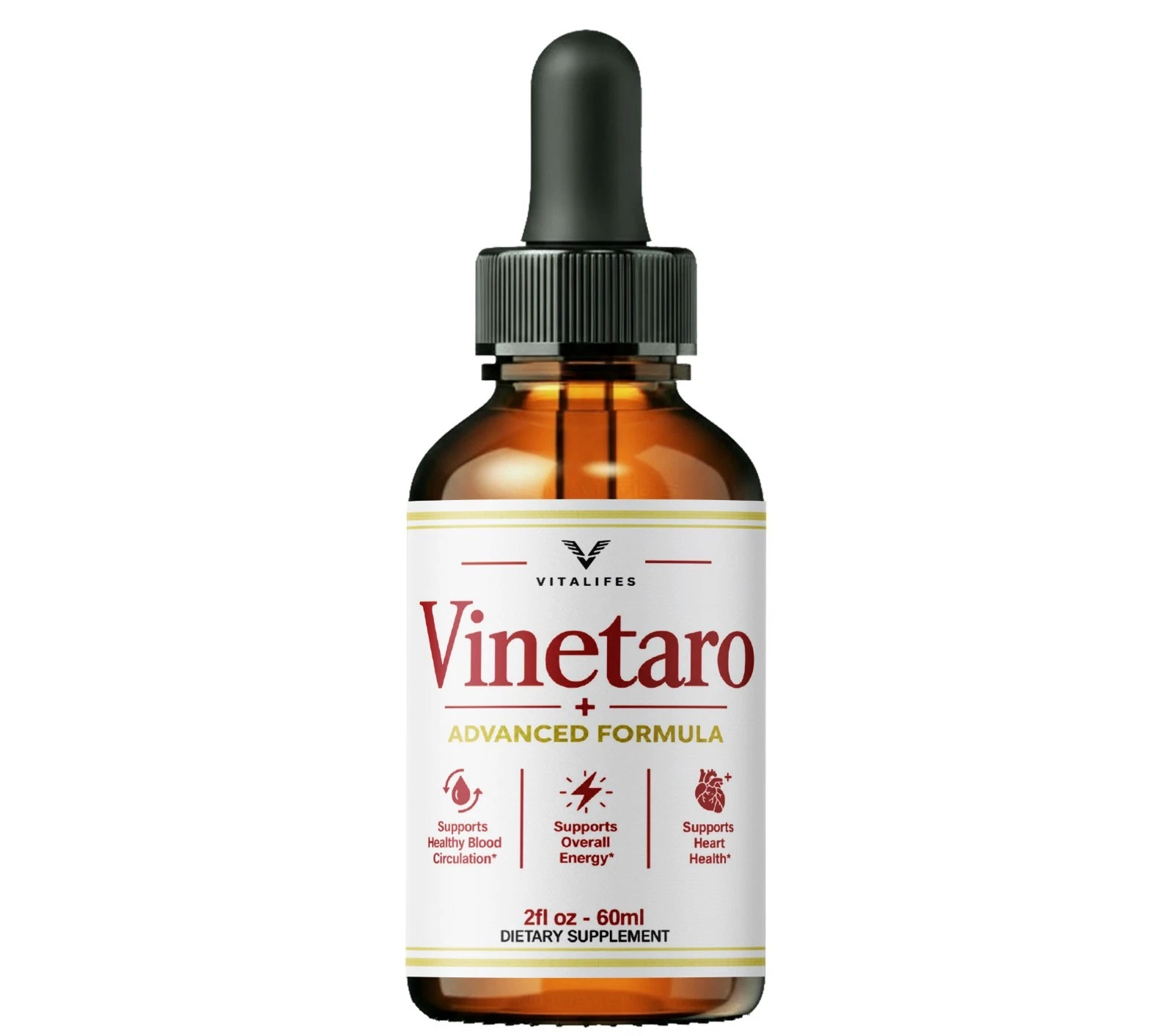
Vinetaro Drops interactions cannot be listed from the bottle, which names no ingredient. The seller's photograph shows six plants. Ginkgo has a published bleeding-risk literature, and cinnamon bark carries a coumarin limit. Three plants cannot be identified at all. Treat the list as questions for your pharmacist, not as a formula.
Prefer to ask the pharmacist before you order?
The checkout shows the price and the return window, and nothing here replaces a pharmacist reading your medicine list.
See today's price and guaranteePrice and return window are shown at the seller’s checkout · This website earns a margin when you buy through it.
- The bottle names no ingredient. The six plants in the seller's photograph are marketing artwork, not a declaration.
- Ginkgo has a published bleeding-risk and anticoagulant interaction literature.
- The coumarin risk assessment sets a tolerable daily intake of 0.1 mg per kilogram of body weight.
- Three of the six plants cannot be identified from the photograph.
- Not published: any ingredient, any amount or any interaction study on this bottle.
Why are Vinetaro Drops interactions read from a photograph?
Vinetaro Drops interactions are read from a photograph because the photograph is all there is. The seller's red marketing panel arranges six plants around the bottle and names none of them. It is not a declaration, and nothing below says the bottle contains any of them. What the list does is name the conversations a buyer should have anyway, since the plants a liquid circulation formula is usually built from carry known interactions.
Think of it as a map of questions. Every row is about the plant photographed, not about this product. A reader who sees a plant in a picture and assumes it is in the liquid has made the exact move this page exists to avoid.
What is on record for each plant in the photograph?
| Plant in the photograph | The interaction on record | Who it matters to |
|---|---|---|
| Ginkgo leaves | A 2025 analysis of ginkgo drug interactions examined bleeding risk and coagulation profiles | Anyone on warfarin, a direct oral anticoagulant, clopidogrel or regular aspirin, and anyone with surgery booked |
| Cinnamon bark | The coumarin risk assessment sets a tolerable daily intake of 0.1 mg per kilogram of body weight | Anyone taking cassia cinnamon in quantity, and anyone on a medicine the liver works hard to clear |
| Cinnamon bark, again | A single published case report describes acute hepatitis after a cinnamon supplement | One case is not a rate. It is a reason to stop and be seen if you feel unwell on any new supplement |
| Blueberries and similar fruit | No interaction of note at food amounts | Nobody, at the amounts a dropper could plausibly deliver |
| A green leafy herb, unnamed | Cannot be assessed, because it cannot be identified | Anyone who has reacted to a plant and does not know which |
| Dried yellow flowers, unnamed | Cannot be assessed, for the same reason | The same group |
Every row is about the plant photographed, not about this product.
What does the coumarin limit mean in Vinetaro Drops interactions?
It is a simple sum. A tolerable daily intake of 0.1 mg per kilogram of body weight comes to about 7 mg a day for a 70 kg adult (0.1 times 70). Whether a product is anywhere near that depends on the species of cinnamon and the amount. Cassia cinnamon carries coumarin. A photograph settles neither point, and the bottle states no amount of anything.
So the number is a ceiling to know about, not a figure to apply to this bottle. If you already take cinnamon in quantity, or a medicine that your liver works hard to clear, it is a fair thing to mention to your pharmacist. The risk assessment behind it is cited below.
Why do the unnamed plants matter most?
Because they can hide the interaction that matters. Dried yellow flowers could be chamomile, calendula or helichrysum. They could also be St John's wort, which induces the liver enzymes that clear a long list of prescription medicines. The resolution of the photograph cannot tell them apart. The risk of guessing wrong runs both ways, which is why a picture cannot be read as a declaration.
The same holds for the green herb and the red berry. Naming hawthorn from a berry in a picture would make a page sound confident and tell you nothing. Our post on hawthorn berry explains why that matters.
Does natural mean no interactions?
No. Natural describes origin, not behaviour. An analysis of supplements that drew FDA warnings looked at what was actually found in products that named nothing like it. A critical appraisal of herbal evidence adds that the plant name alone is rarely enough, because the part used, the extract and the preparation all change what a product does. A bottle that gives not even a plant name sits one step further back than those papers were written to address.
- Warnings are printed by makers who choose to print them. An absent warning tells you nothing about contents.
- A quiet review record is a weak signal. People who feel unwell stop and ask for a refund. They rarely file a report.
- Two drops is a small amount of anything, which cuts both ways. It is also a small amount of anything useful.
What should you do about Vinetaro Drops interactions in practice?
- Write down your medicine list, including aspirin and vitamins.
- Take the bottle, or a photograph of the front label, to your pharmacist or prescriber.
- Tell them the plants in the photograph and that the bottle names none.
- If you take warfarin, ask them to bring the next INR check forward if you start.
- If you feel unwell, stop and get seen.
For the plan by medicine type, see our safety checks post. For whether a missing label is itself a warning sign, what a supplement label has to tell you is the place to start.
The circulation supplement guide covers what this aisle can reasonably offer, and where a doctor comes first.
Which sources sit behind this page?
These named sources sit behind the way this page reads the product. None of them tested Vinetaro Drops.
- A 2025 analysis of ginkgo drug interactions, bleeding risk and coagulation profiles https://pubmed.ncbi.nlm.nih.gov/40198642/
- A systematic review of warfarin and food, herbal or supplement interactions https://pubmed.ncbi.nlm.nih.gov/32478963/
- A risk assessment of coumarin, with human data https://pubmed.ncbi.nlm.nih.gov/20024932/
- A case report asking whether cinnamon supplements cause acute hepatitis https://pubmed.ncbi.nlm.nih.gov/25923145/
- A 2018 analysis of unapproved ingredients in supplements that drew FDA warnings https://pubmed.ncbi.nlm.nih.gov/30646238/
- A critical appraisal of herbal remedy evidence and interactions https://pubmed.ncbi.nlm.nih.gov/26887532/
Frequently asked questions
What are the Vinetaro Drops interactions?
None can be listed from the bottle, because it names no ingredient. The seller's photograph shows six plants, and two of them have interaction literature: ginkgo and cinnamon bark.
Does Vinetaro Drops contain ginkgo?
Not published. Ginkgo leaves appear in the seller's photograph, but a photograph is not an ingredient list.
What is the cinnamon coumarin limit?
A risk assessment sets a tolerable daily intake of 0.1 mg per kilogram of body weight, about 7 mg a day for a 70 kg adult. The bottle states no amount of cinnamon or anything else.
Why can three plants not be assessed?
They cannot be identified from the photograph, so no interaction can be attached to them.
Is a natural product free of interactions?
No. Natural describes origin, not behaviour. Many plants interact with prescription medicines.
Who should ask before starting?
Anyone on a blood thinner, a blood-pressure or heart medicine, a diabetes medicine, or a liver-checked drug, and anyone with surgery booked.
Our view
Vinetaro Drops interactions are a set of questions, not a list of facts. The photograph shows six plants, two of them with real interaction records and three that nobody can name. None of it tells you what is in the bottle.
That is a good reason to show the bottle to a pharmacist, and a poor reason to guess. Until a panel exists, the safest assumption is the one a pharmacist would make: an unknown formula is an unchecked one.
Vinetaro Drops is a dietary supplement. It is not FDA approved, and no supplement is. These statements have not been evaluated by the Food and Drug Administration. This product is not intended to diagnose, treat, cure or prevent any disease. This page is general information, not personal medical advice. Ask your own doctor or pharmacist about any symptom, and about any medicine you take, before you add a supplement.
Ask first, then order
The checkout shows the price and the return window. Keep the bottle for your pharmacist.
See today's price and guaranteePrice and return window are shown at the seller’s checkout · This website earns a margin when you buy through it.
Last updated